

Hello love, how are you? I ask this sincerely, because this year has carried a weight that many of us have been trying to navigate privately. It’s been a year full of extraordinary beauty, connection and creativity, yet it has also stretched our capacity to stay present and pushed many of us far closer to our limits than we expected.
The digital world has accelerated again, reaching a pace that doesn’t match how human beings process meaning or emotion. And somewhere inside that tension, many of us have found ourselves feeling very unsettled, tired and unsure of how to keep showing up without losing something that feels essential.
When I wrote my recent Disconnected essay, I was trying to articulate a feeling that had been sitting beneath the surface for many months. I knew others were feeling it too, but I wasn’t prepared for the scale of the response. A huge number of messages came from people who care deeply about their work yet are finding it harder to stay steady in a digital landscape that moves faster than any of us can keep up with, especially now that AI is accelerating everything even further. It revealed that none of us are carrying this alone too, that we’ve been trying to move through a difficult moment without the language for it – and even if we had the language, we’ve been fearful of speaking up.
This follow-on piece is an attempt to name the next part of that journey. Not with certainty, because none of us have that right now, but with honesty and from my heart and with the intention of offering perspective and a set of practical ways we can begin to move through this, rather than feel swept up by it.
The fatigue isn’t about your work. It’s about the environment around it.
One thing became immediately clear in the response to Disconnected; People weren’t falling out of love with their work or losing interest in weddings or creativity or meaning – what they felt was exhaustion from the constant pressure to perform and be visible in a social media landscape that holds so much power over our businesses and how we market them.
Some told me their work feels distorted by the way it has to be shown online. Some felt pulled in directions that did not align with who they are or how they work. Others described the strange emptiness that follows posting something meaningful only to watch it disappear almost instantly. Many said the unpredictability of the platform has begun to chip away at their confidence, not in their ability to create, but in their ability to exist inside an ecosystem that never seems to stop demanding more, and offers very little regard for the people who sustain it.
The heart of still photography was never meant to live inside a format built for speed and overstimulation, and that isn’t a weakness. It’s where its power comes from. Recognising that and refusing to force your work into something it was never designed for, isn’t wrong, it’s integrity.
We are planning weddings for Gen Z now
A new generation of couples is stepping into the wedding world, and they carry a digital inheritance that looks very different from the one many of us grew up with. Gen Z have lived their entire lives inside a fast, overstimulating online landscape. Information moves quickly, trends shift daily and online noise is constant. They have learned to filter, sift and protect their attention in ways that make perfect sense once you understand the environment they were raised in.
This change has reshaped the pace of the industry – enquiry patterns and expectations look different. The way trust is built looks different and for many professionals, this shift has arrived on top of an already exhausting digital backdrop. It’s no wonder that on top of their digital fatigue, so many wedding professionals feel unsettled, fearful, like they no longer have a seat at the table.
But here’s what I want to make super clear; Gen Z aren’t asking us to be louder or flashier or to perform at their pace. Many of them are curating their online lives more tightly than ever. Multiple brides have shared with me that they follow only a few accounts they genuinely trust because anything more feels overwhelming – and new research aligns with this. This generation tends to care deeply about sincerity and authenticity. They notice when something feels honest and gravitate towards what feels real.
Seeing this has clarified something for me; Stillness isn’t outdated, it’s a real relief. Stillness is clarity, it provides space to imagine yourself inside a moment rather than watching content rush past.
So yes, the ground has shifted, and it’s natural to feel uncertain. But this shift isn’t a threat to us, it’s an invitation to return to depth, presence and substance and to forms of storytelling that carry emotional weight and authenticity. Gen Z doesn’t want a performance -they want you. And that’s a much more hopeful place to build from.
Instagram has power. You do not have to hand yours over.
Instagram holds power, but it does not own you. It does not own your craft, your pace or your creative integrity. It does not own your time, your energy or your marketing decisions.
The platform is built for speed, volume, constant stimulation and profit – and nothing about that is going to change. Accepting that has lifted a huge weight for me personally, it’s freed me from waiting for a version of Instagram that I know now is never coming back.
What troubles me, and what so many creatives told me after Disconnected, is how much influence this single platform now holds over the survival of small businesses. A few days ago, Gizzi Erskine published a piece that asked, ‘what are the moral implications of an algorithm being able to make or break a livelihood?’ She writes that influencers and small creators have spent years building businesses in good faith, only to find themselves vulnerable to decisions made without transparency or accountability. And she’s right. Technology, algorithms and AI are shaping the futures of real people and real livelihoods and this feels fundamentally, deeply, unfair – and frankly unethical.
Instances like the one shown below, where a hard working wedding industry business owner explains how Meta suddenly removed their advertising ability at a critical time of year, without warning, explanation and no follow up, only reinforce how fragile this system has become. I also know of countless account holders who’ve had to start again from scratch after having their accounts removed or hacked – with zero support from Meta.
How can any small business plan, budget or grow when their visibility can be switched off at the whim of a platform with zero and at best, inadequate human support or recourse? I have seen too many stories like this now to pretend it is an isolated issue. The trust has ended.
So here is where I now stand. I will continue to use Instagram, but strictly on my own terms. I will not chase trends, and I will not bend my work or the artistry of others into formats that misrepresent what we create. I will show up, but I will not hand over my sense of direction to a platform that cannot offer stability in return.
Once you see Instagram clearly, something else becomes clear too. If the platform insists on operating at a pace designed to overwhelm, then the only meaningful choice is your own pace. You choose how you show up. You choose what you share and why. You choose whether you contort your work to be part of the churn, or let it keep its original shape, sentiment, uniqueness and artistry.
Letting go of the expectation that Instagram will change has been freeing. It has brought me back to the way I want to create and communicate, without waiting for a platform to value what I know matters.
The stillness of photography matters more than ever
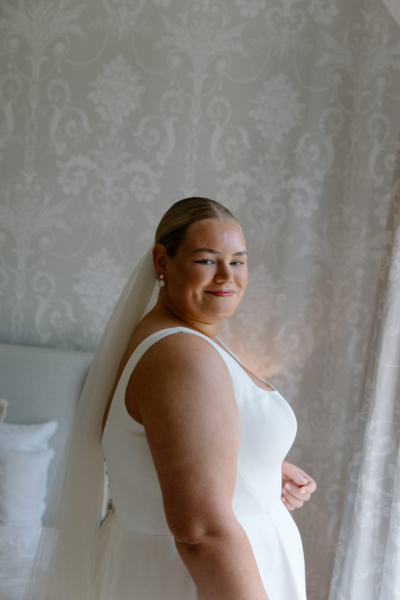
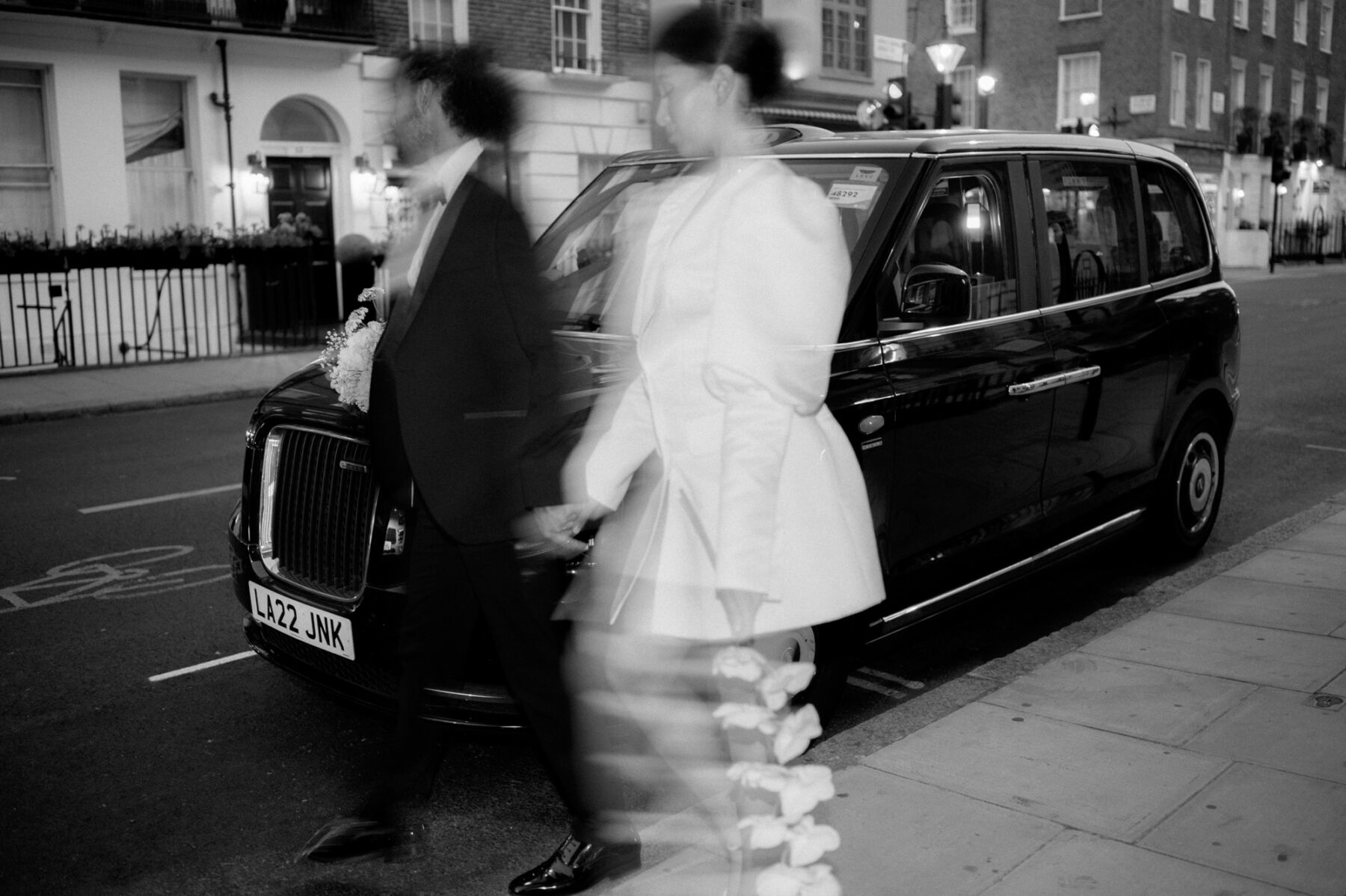
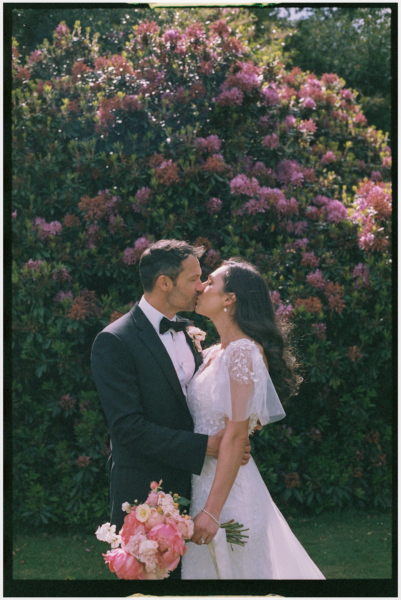
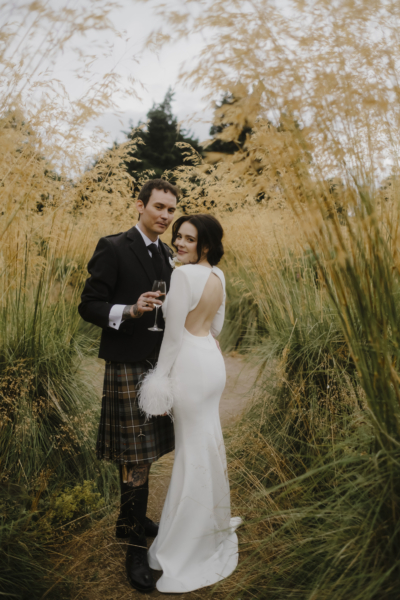
The faster the digital world becomes, the more essential the photograph feels. Not as a trend and not as nostalgia, but as a form of truth that technology cannot rush or dilute.
Social media teaches us to move on before we have even finished noticing. Constant motion, sound and interruption seep into the nervous system and begin to reshape how we pay attention. The brain adapts to whatever pace it repeats. If that pace becomes frantic, our ability to absorb depth becomes thin. Yet meaning is almost always found in the pause, in the return, in the second look that opens something inside you because you finally had time to feel it.
A photograph interrupts that rush. It steadies you. It gives you something to return to. It gathers a moment into a form that can hold emotion long after the day has passed. It carries memory. It carries feeling across generations. It gives people who were not there a way to understand the tenderness of a moment they might never have witnessed. And it does all of this without music, movement or instruction. The stillness is the point.
A photograph belongs to you at your own pace. You can spend a moment with it or a lifetime. You can look alone or with the people you love. You can come back to it years later and feel something you thought you had forgotten.
Photography has always created time. It has always created space for noticing. It is one of the few mediums left that lets the eye lead instead of follow.
That is why its the stillness of traditional photography matters more than ever.
Via @paelini
The Eye Has to Travel
Diana Vreeland understood the power of the still image long before social media existed. During her tenure as Editor at Harper’s Bazaar from the late 1930s through to the early 1960s, she shaped the way photographs were experienced on the page. Her editorials were built on the idea that photographs have their own gravity, mood and allure. You were meant to pause, look and feel something.
Her phrase, the eye has to travel, which later became the title of the documentary about her life, was simply her belief that the eye needs space to move and room to absorb before anything meaningful can land. A still photograph gives you that space. It lets you notice the details and emotion you so often miss in the chaos of modern social media.
Her approach feels so deeply relevant today, because she reminds us of something we’ve lost sight of; the eye can’t travel when our senses are overstimulated. Photography gives that space back and let’s you process what you see in your own time, on your own terms. It lets an image meet you at a human pace.
There is profound power and connection that can be found in the stillness of photography and I don’t know about you, but I’m here to protect that fiercely.
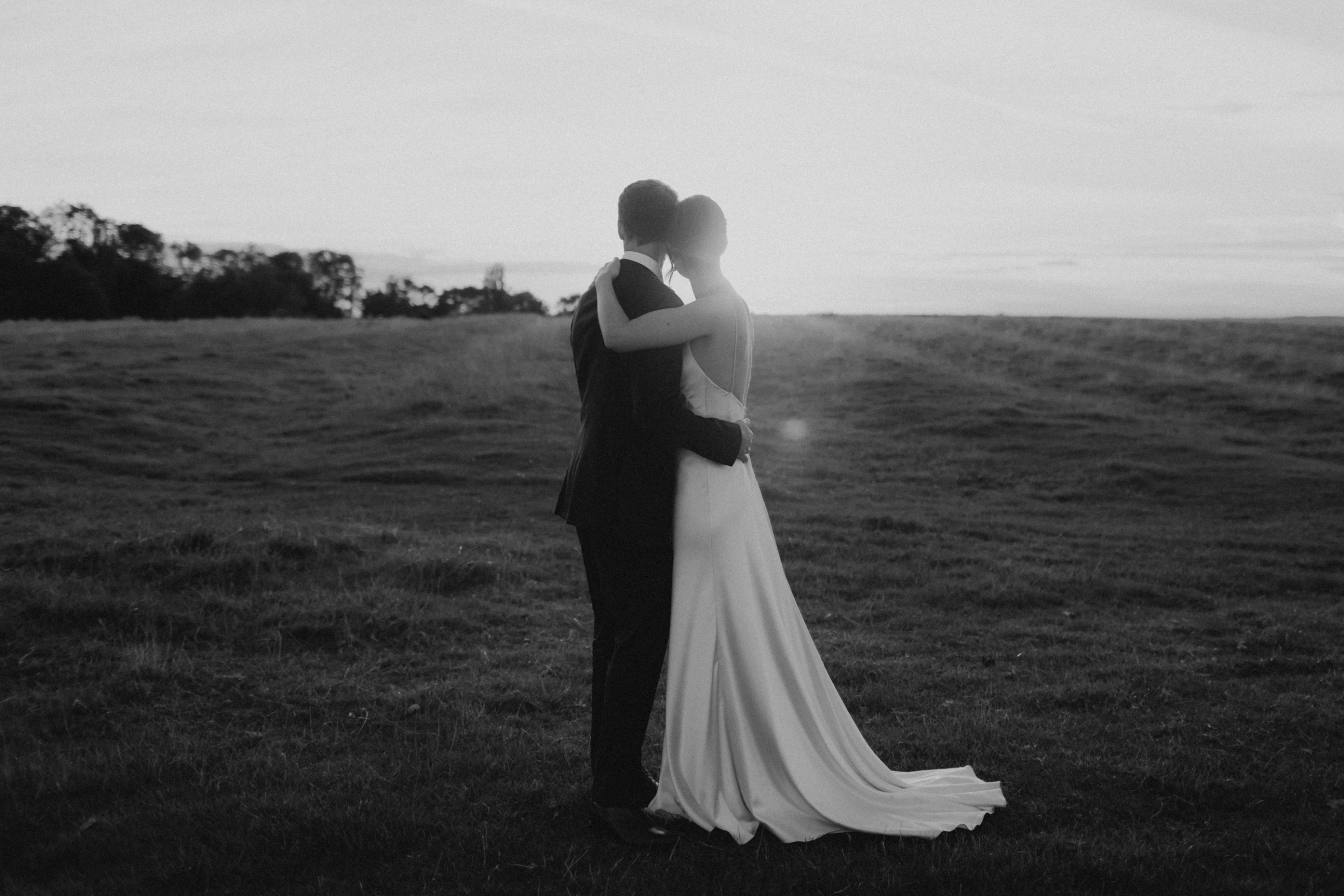
Image by Victoria Somerset How.
So how do we move forward?
Take what feels right for you;
Share what is uniquely yours without diluting it
What you create is your offering to the world. Do not flatten it to match the noise. Let your work be seen with the feeling, love, passion and intention you put into it.
Put your best work in places you can trust
Instagram is temporary. Your website, blog, newsletter, long form stories and directory listings allow your work to breathe.
Treat your attention as part of your creative wellbeing
Notice when the feed pulls you off centre. Pause. Choose when you want to look. Discipline yourself to break the feedback loop that overwhelms your nervous system and fuels doubt and FOMO.
Be honest about what is real and achievable
AI imagery has blurred the line between fantasy and reality. Many couples do not know when a design defies physics, budgets or safety. Naming that clearly is not negative, it’s being responsible and it protects your creativity, your time and your couple’s trust. And it protects your sanity too.
Share work in the form it was meant to be experienced
If your photographs speak through stillness, let them stay still. Trust the image. Trust the emotion it carries. Trust the way real connection comes through when you give your work room to breathe.
Create slower spaces where your work can actually land and has room to breathe
Slow shouldn’t be a trend, it should be our baseline – think full galleries, journal style reflections, thoughtful newsletters; places where your work is given room to be seen and felt, not rushed past.
Hide your stats if they drain you
Likes and reach do not reflect your worth. They do not measure your artistry. They are no one’s business but your own.
Decide where your energy goes, and trust your boundaries
You do not have to be everywhere. I’ve stepped fully away from TikTok because it offered no real sense of community for me. It feels chaotic and it’s a huge distraction. I’m not interested in posting for the sake of it or out of fear of missing out. All that ends for me this year. You are allowed to make choices that protect your time, focus, wellbeing and integrity.
Let your humanity live in your work, not in performance
You do not need to prove your personality online or film endless face-to-camera reels to feel human or relatable. Your eye, your sensitivity, your values and your way of seeing are already present in the work you create. Let that speak. And if you prefer to keep a little mystique around how you move through this world and your creative process, that is not a lack of transparency, it’s a healthy creative choice. Presence does not require performance.
The Stillness Point
If you feel stretched or unsettled by the pace of everything we are living through right now, you absolutely are not imagining it. The shifts in our industry, the changing behaviours of the couples we serve, the noise of the digital world and the pressure to keep adapting, it all adds up. Even the most anchored person can feel out of step. When that discomfort rises, it’s often your mind and body trying to slow things just long enough for you to find your footing again.
Noticing that is the beginning. Once you do, you can choose differently. You can decide where your energy goes, what you protect and what you no longer need to chase. You can stop folding your work into formats that flatten it. You can give your creativity the space it needs to breathe and to be received, explored, absorbed and enjoyed with the attention it deserves.
And when everything feels too loud, you can return to what has always steadied this industry; you can return to photography.
Still imagery brings the pace back to something human. It creates space for feeling to return, for imagination to open, for memory to surface in its own time. It reconnects you with the parts of your work that are built on presence and human connection rather than performance and overstimulation. It brings you back to what your work is really about.
If you do nothing else today, be still for a moment and notice what rises when the noise falls away. That is the place you build from.
P.S. – I cannot tell you the joy I’ve gained from making proper, uninterrupted time to sit and write this long form read – to not care about optimisation or virality – just sharing my message and creating connection. I feel myself returning to my roots, re-embracing my integrity and values and doing what I LOVE. Isn’t that the whole point?